New research led by Dr Jobert Vargas and Prof Giampetro Schiavo (UK DRI at UCL) in collaboration with Dr Andrea Serio (UK DRI at King’s), has uncovered insight into how human motor neurons can be repaired, with the help of a protein called Brain-derived Neurotrophic Factor (BDNF). The study, published in the journal Science Signaling, is a crucial step forward in our understanding of fundamental aspects of neural repair.
A pressing challenge in nervous system trauma and neurodegenerative disorders, like motor neuron disease (MND) and Alzheimer’s, is that once brain cells and their long processes (axons, also known as nerve fibres) are damaged, they struggle to undergo repair. Finding ways to boost the nervous system's ability to regenerate these vital connections is a major goal of the biomedical community.
Scientists have known for decades that BDNF acts like a healing salve for the brain, promoting the survival of brain cells. However, until now, the exact instructions it gives to damaged cells to kick start the repair process were unknown. Problems with BDNF signaling have been shown to exacerbate the progression of many neurodegenerative conditions, indicating the importance of BDNF in maintaining neuronal health.
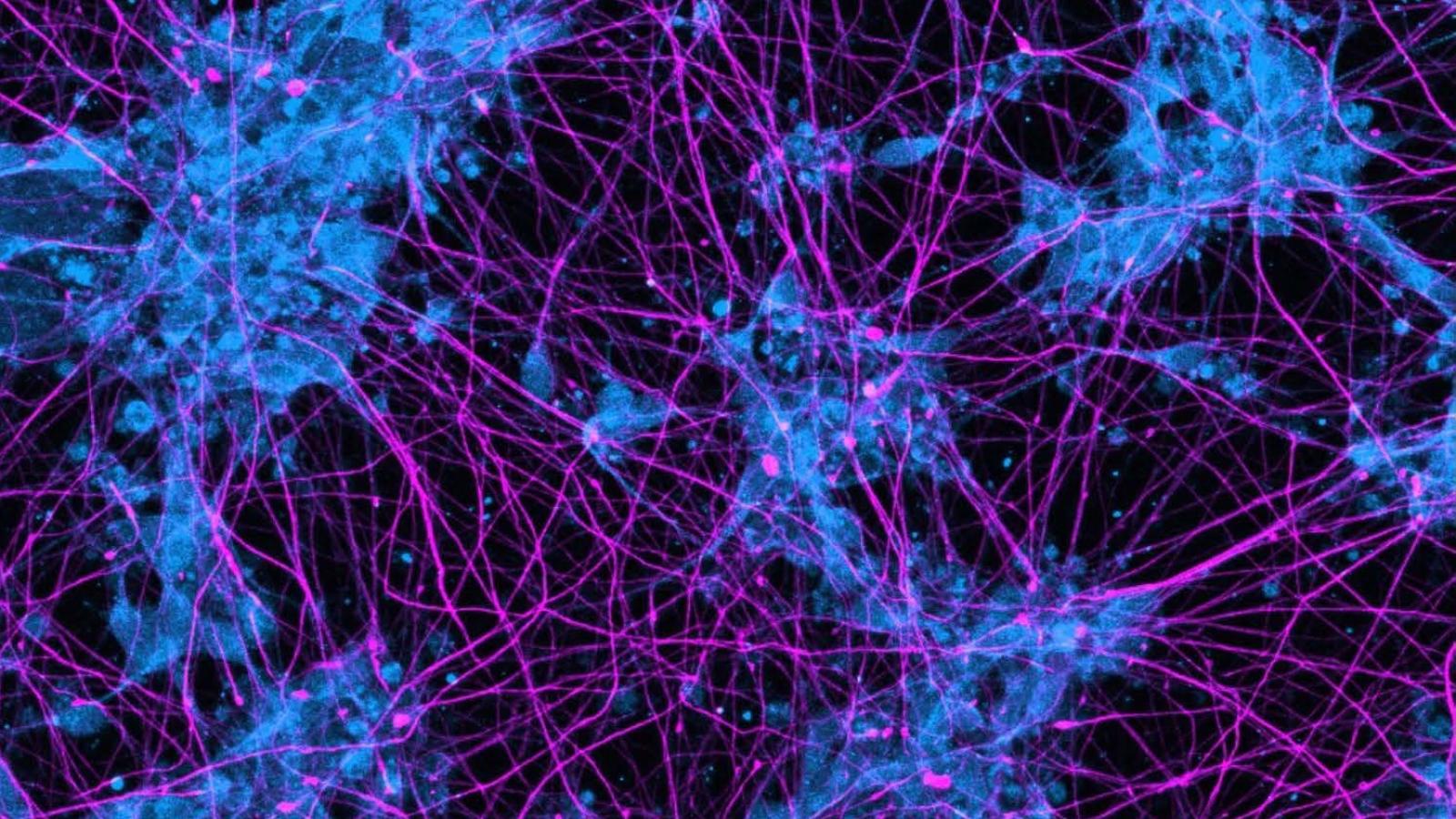
Using human stem cell models to grow motor neurons in a dish, the researchers discovered that BDNF acts like a master conductor in the orchestra of nerve repair. When BDNF acts on damaged nerve fibres, it simultaneously coordinates multiple intrinsic repair programs.
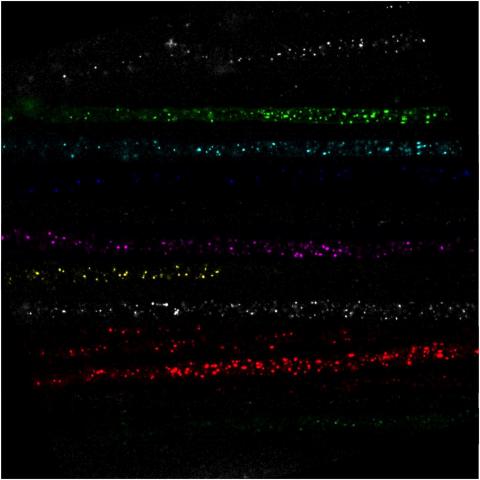
The team found that BDNF switches on regeneration-associated genes important for nerve repair. At the same time, BDNF also reshapes the neuronal cytoskeleton, which acts as the foundation of nerve fibres, similar to that of bridges and buildings. BDNF does this by controlling the proteins responsible for the cell's physical structure, allowing the nerve cables to rebuild and grow out properly. By growing motor neurons in specialised chambers that separate cell bodies from their long axon cables, the researchers also demonstrated that BDNF sends its repair signals locally through a very specific chain of proteins termed the ERK-RSK-S6K kinase pathway.
By mapping the precise biological switches that BDNF flips to repair the axons, scientists can now look for ways to target the same pathways using novel drugs to encourage the regrowth of axons.
Ultimately, cracking the code of how brain cells reconstruct their fibres brings the research community a step closer to developing treatments that could stop, or even reverse, the devastating damage caused by MND and other brain disorders, such as Alzheimer’s. Therapies boosting the repair of neuronal cables would have the potential to transform the lives of people affected by neurodegenerative conditions.
Postdoctoral Researcher
Reference: Jose Norberto S. Vargas et al., Brain-derived neurotrophic factor coordinates neuron-intrinsic programs to enhance axonal regeneration in human motor neurons.Sci. Signal.19,eadx6752(2026).DOI:10.1126/scisignal.adx6752