Researchers led by Prof Yann Herault (Institut de Génétique Biologie Moléculaire et Cellulaire,), Prof Fabio di Domenico (Sapienza University of Rome) and Dr Frances Wiseman (UK DRI at UCL) have developed two new models of Down syndrome related Alzheimer’s, that could enable better study of the impact of the condition. The research, published in Alzheimer’s & Dementia, will enable more equitable research, and could help test whether emerging treatments are safe for people who have Down syndrome.
What was the challenge?
There are around six million people living with Down syndrome globally. It is estimated that around ninety percent of these people will develop Alzheimer’s in midlife – making Down syndrome the most commonly occurring genetic cause of Alzheimer’s worldwide. The average age for a person with Down syndrome to develop dementia symptoms is around 55 – making dementia the leading cause of death for adults over 35 who have Down syndrome.
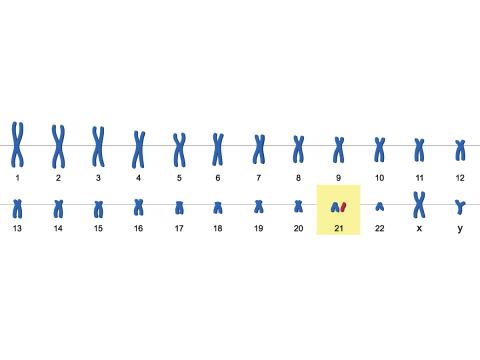
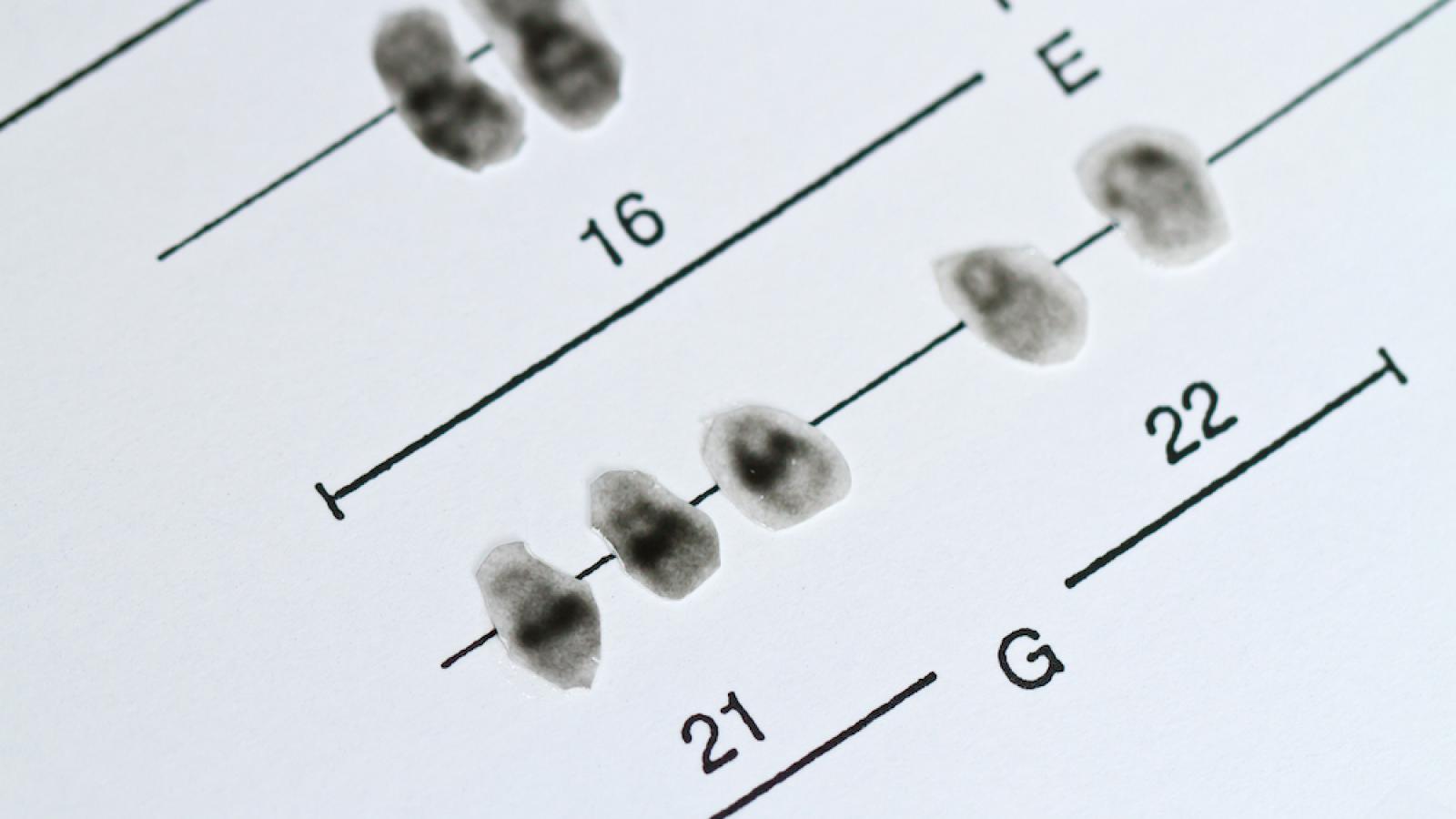
Down syndrome is a complex genetic condition resulting from an extra copy of a whole extra chromosome (meaning a total of 3 copies of chromosome 21). This means that people who have Down syndrome have an extra “dose” of all the genes on chromosome 21. This results in changes to the ways the bodies of people who have Down syndrome work. Research into this common but genetically complicated cause of Alzheimer’s requires new approaches that allow the effects of an extra copy of many genes to be studied together.
What did the team do and what did they find?
In this study, the researchers developed two new mouse models, to enable better research into Alzheimer’s in people who have Down syndrome. Existing mouse models of this aspect of Down syndrome work by having three copies of a gene called APP which produces amyloid beta, a protein implicated in Alzheimer’s. But they have limitations due to genetic differences in the amyloid beta protein between mice and humans, which mean that the models do not form the same amyloid and tau clumps as in the human disease. The new models have copies of amyloid beta which have been engineered to closely resemble the human protein sequence.
The team showed that by including this humanised amyloid beta protein sequence, they were able to reproduce features of early Alzheimer’s in the mice. For example, the mice showed signs of memory problems, increased activity, and more frequent risk-taking behaviour. They also had changes in their brain cells the are similar to early changes in Alzheimer’s in people who have Down syndrome.
These models represent a important step forward in modelling Down syndrome-associated early Alzheimer’s, as they allow us to recreate the key disease related brain and behavioural changes. In future, we may also be able to use these models to test emerging treatments, helping to close the equity gap for people with Down syndrome who are often excluded from Alzheimer’s clinical trials, despite their greatly increased risk of developing the condition.
Group Leader
What is the impact?
The new models will help researchers better understand the differences in Alzheimer’s experienced by people who have Down syndrome. The new mice also will be useful to test if new Alzheimer’s drugs are safe to use in people who have Down syndrome, facilitating equitable treatment access.
Reference: Baniowska MR, Mumford P, Prestia F, et al. Age-related behavioral and molecular landmarks in new mouse models for studying Alzheimer's disease in Down syndrome. Alzheimer's Dement. 2026;22:e71498. https://doi.org/10.1002/alz.71498