Key details
Uncovering the role of RNA in motor neuron disease
Amyotrophic lateral sclerosis (ALS), the most common type of motor neuron disease (MND), is a fatal condition that causes progressive weakness of the muscles due to the degeneration of motor neurones in the brain and spinal cord. Although there are some treatments available to slow progression, greater understanding of the underlying causes is needed to develop more effective treatments and to help those affected live longer, healthier lives.
The Ule Lab is focused on a versatile molecule called ribonucleic acid (RNA), which has many roles in cells. RNA interacts with proteins to form large complexes, and evidence suggests that changes in these interactions can lead to the characteristic toxic aggregates seen in neurodegenerative diseases such as ALS and frontotemporal dementia. By developing and applying innovative new biochemical and computational techniques, Jernej’s team aim to find out why this occurs and how to stop it using new therapeutics.
Latest news
Prof Jernej Ule
Prof Jernej Ule is a Group Leader and Centre Director at the UK DRI at King's. Find out more about his career and expertise on his profile page.

Research summary

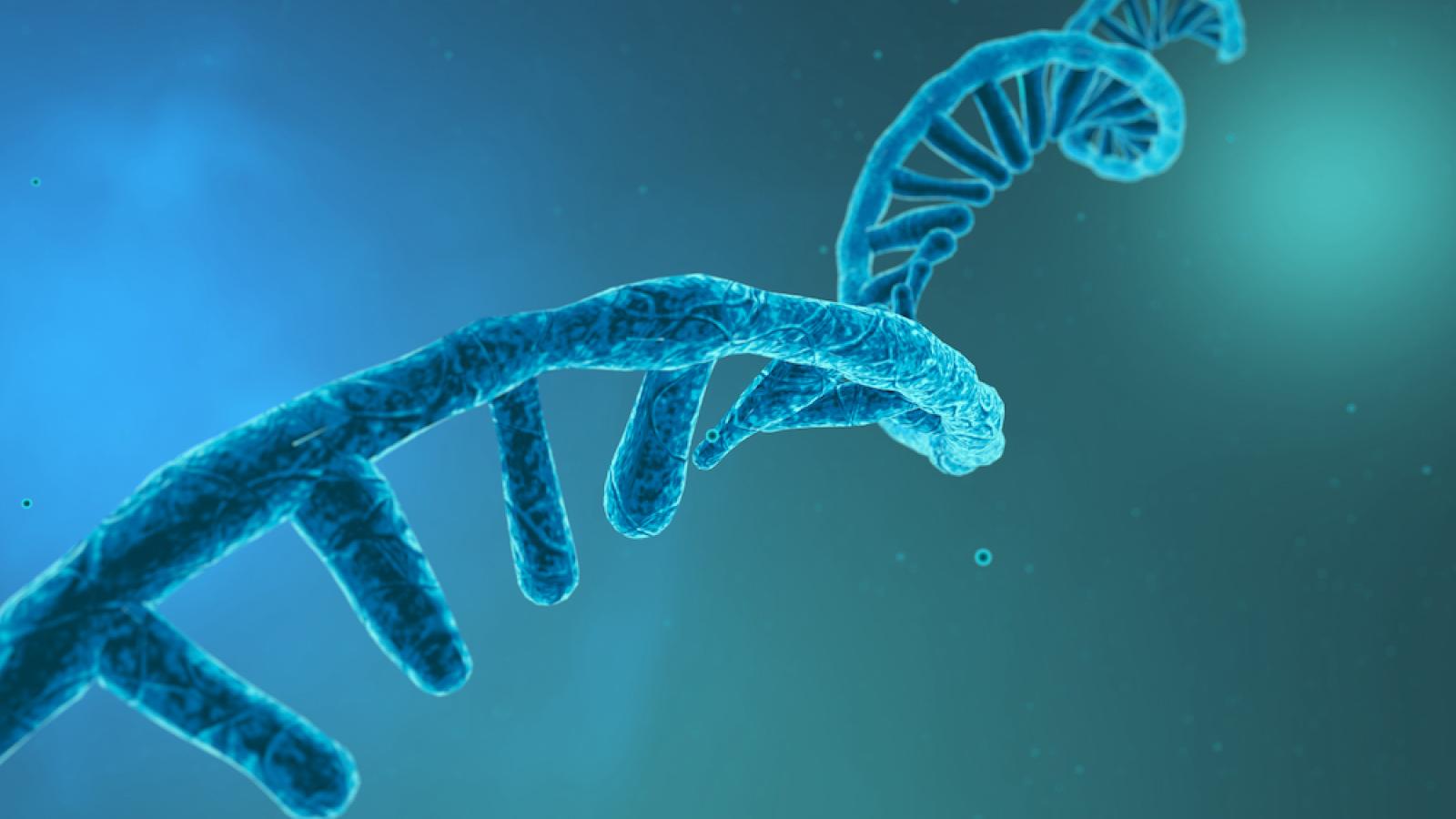
Researchers are discovering an increasing number of roles for RNA in the cell.
Credit: Shutterstock/No beast so fierce
RNA networks in ALS/FTD
Ribonucleoprotein complexes (RNPs) form when proteins bind to an RNA molecule, helping guide the RNA on its journey through the cell, while the RNAs also regulate the functions of bound proteins. These complexes have many regulatory roles in development, and their defects can lead to various diseases. Mutations in RNA-binding proteins (RBPs) or non-coding RNAs alter important RNPs to cause neurodegenerative diseases such as amyotrophic lateral sclerosis (ALS). Moreover, accumulations of RNP aggregates are a pathological hallmark of these diseases.
Prof Ule aims to unravel mechanisms that promote healthy dynamics of RNPs to prevent them from aggregating and how this is established through interactions between RNAs and proteins. The Ule Lab also study the roles of disordered regions that are commonly present in RBPs, which contribute to the assembly and dynamics of RNPs, as well as their aggregation. The team have built a framework of systems biology techniques such as iCLIP (individual-nucleotide resolution UV crosslinking and immunoprecipitation of protein-RNA complexes), which integrate biochemistry and computational biology to obtain a comprehensive map of interactions between proteins and their RNA partners within cells. Thereby they can characterise the roles of RNPs in cellular transitions in development and disease.
Main objectives and research goals:
In the UK DRI research programme, the Ule Lab aim to examine the fundamental principles guiding the assembly and dynamics of RNPs that play central roles in FTD/ALS.
- Employing a systems biology toolbox to study the impact of disease-causing mutations on RNP assembly. Most mutations locate to the poorly-understood disordered regions of proteins, and the researchers study their roles in the condensation of RNPs.
- To study homeostatic pathways that maintain protein-RNA condensates in a healthy functional range and prevent their aggregation and how alterations in these pathways affect neurodegeneration.
- To develop new molecular sensors and therapeutic approaches that modulate the homeostatic pathways.
Key publications
Vacancies
Lab members

Collaborators












Lab funders
Thank you to all those who support the Ule Lab!