Chris Ugbode, Science Portfolio Manager, reflects on what the UK DRI's flagship Connectome conference revealed about the progress in dementia science – and what the next decade must deliver.
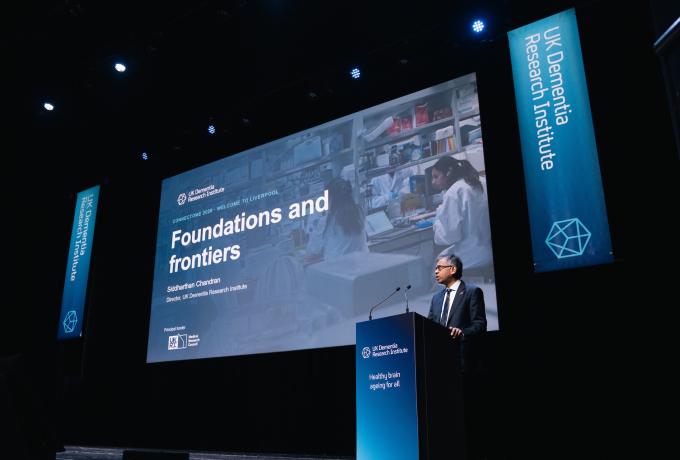
With the UK Dementia Research Institute (UK DRI) approaching its tenth anniversary, Connectome 2026 in Liverpool felt like a particularly poignant reminder of who we are and why we exist. The UK DRI is, first and foremost, a mission-led institute, established with the purpose of discovering the mechanisms underlying neurodegenerative conditions, developing the diagnostics and therapeutics of tomorrow, and ultimately delivering meaningful improvements for people living with or at risk of dementia.
As we approach our second decade, our mission remains clear. The question now is how we use the next ten years to accelerate discovery, break down traditional boundaries between scientific disciplines, and transform the treatment and care landscape for people affected by neurodegenerative disease. We have made tremendous progress over the past decade, but we must also recognise how much remains to be done.
With that rallying cry as our starting point, Connectome brought together an excellent programme of scientific talks, discussions and posters, showcasing the breadth of research across the institute and the wider neuroscience community.
Astrocytes take centre stage
For me, one of the highlights came early in the scientific programme, when a cell type long cast as a supporting role, took prominence: astrocytes.
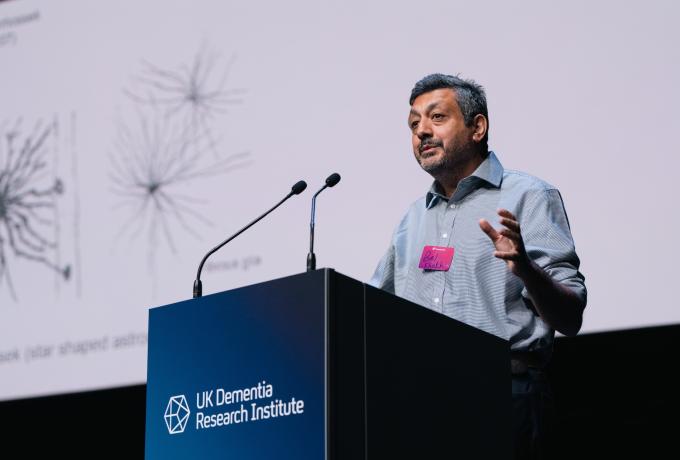
Professor Baljit Khakh (Centre Director, UK DRI at Cardiff) delivered a comprehensive account of why astrocytes are critical regulators of neuronal function, and how understanding and potentially modulating their activity could open new therapeutic opportunities across multiple neurodegenerative diseases. Given their central roles in maintaining brain homeostasis, regulating neuronal activity and responding to pathology, astrocytes are an increasingly important avenue for therapeutic discovery.
The astrocyte landscape has changed enormously over the past decade. The pioneering contributions of researchers including Professors Ben Barres, Michael Sofroniew and Baljit Khakh, alongside many others, have fundamentally changed our understanding of astrocyte biology in health and disease. No longer viewed simply as support cells, astrocytes are increasingly recognised as active participants in the processes that determine neuronal health, resilience and vulnerability. To see this biology placed so prominently within the conference was both scientifically exciting and, from my perspective, a welcome reflection of how far the field has moved.
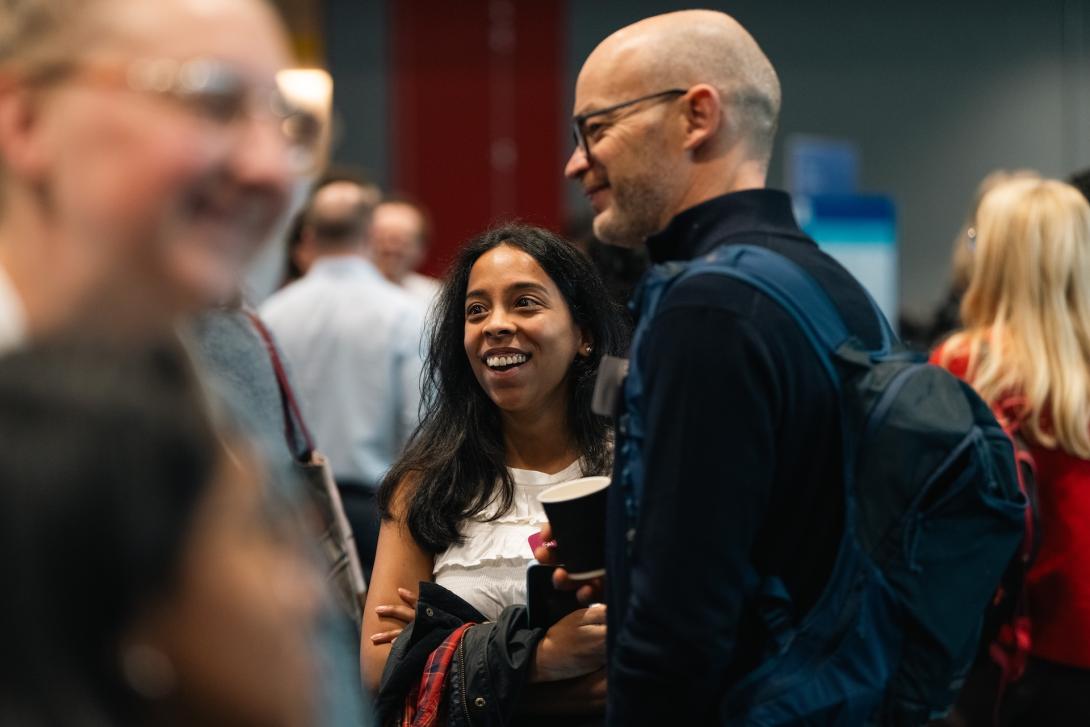
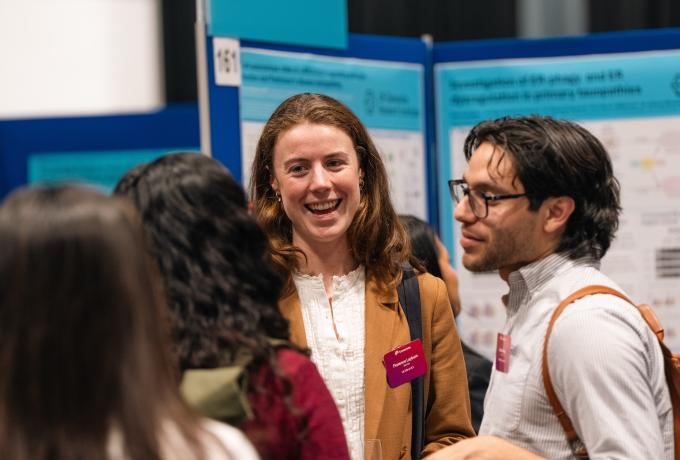
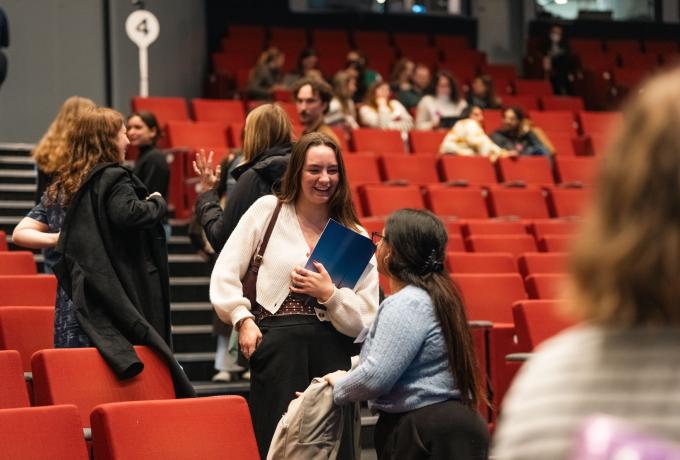
Colleagues connecting during poster sessions
From lab to clinic – and back again
Central to the UK DRI mission is our scientific strategy, reflected in the emergence of our five research divisions. Collectively, these span fundamental cell biology, molecular mechanisms, genetics, neural circuits, vascular and immune biology, through to epidemiology, clinical trials and care. This breadth is one of the institute's greatest strengths, providing a rare opportunity to connect discoveries made at the lab bench with the clinical challenges experienced by patients.
Biomarkers, resilience and reverse translation
There were numerous highlights across the divisional sessions that demonstrated this approach in action. We heard about emerging biomarkers such as NPTX2, a protein involved in synaptic function, and the potential for synaptic markers to help explain why some people remain cognitively resilient in ways that conventional measures of amyloid and tau pathology cannot capture. We were also given a masterclass in reverse translation, exploring how findings from trials such as LACI, which investigates repurposed drugs for cerebral small vessel disease, can open new avenues of mechanistic research.
Other sessions explored the relationship between the gut and Parkinson's disease, the importance of human tissue not simply as a means of confirming experimental findings but as a starting point for understanding disease. Connectome also marked the recent launch of AD-SMART, the UK's new adaptive platform trial designed to accelerate the evaluation of potential Alzheimer's disease treatments.
A clear clinical line of sight
These were very different scientific approaches, but they shared an important principle. With every experiment we undertake, we should have a clear clinical line of sight. Understanding a molecular pathway or identifying a new biomarker is important, but the ultimate question is how that discovery might improve the lives of people affected by these diseases.
What hope really means
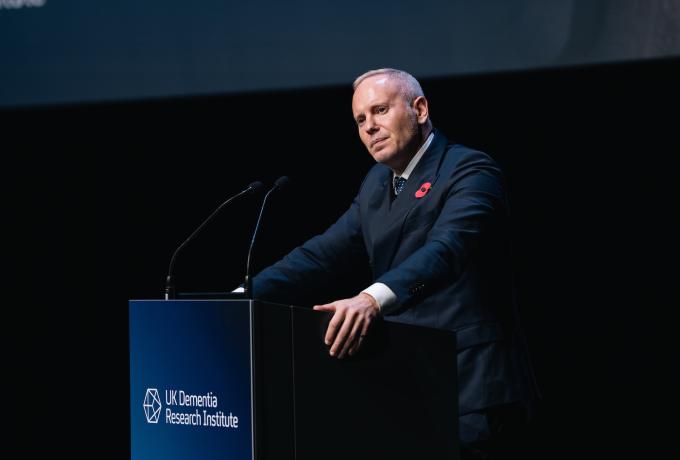
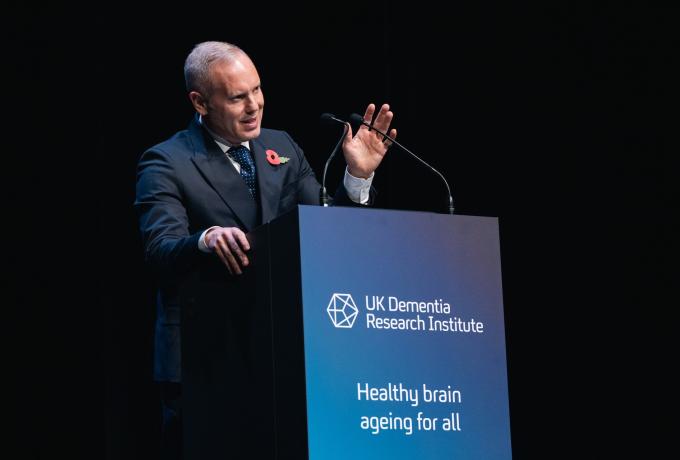
Perhaps the most powerful illustration of this came not from a scientific presentation, but from barrister and broadcaster Rob Rinder, who gave an incredibly moving account of his father's experience of dementia with Lewy bodies.
Rob spoke passionately about the importance of early diagnosis, but also about the need for treatments that address the symptoms of disease, particularly hallucinations, and the profound effects these can have on patients and families. His message was a reminder that, while the scientific community rightly focuses on identifying disease-modifying therapies, meaningful improvements in quality of life are equally important.
Central to his talk was the nature of hope. It is a word used frequently in dementia research, but one that can sound hollow when you are sitting across from a clinician who tells you there is little that can be done. Scientific hope, however, is different from easy reassurance. It requires us to confront difficult truths, recognise uncertainty, and continue working even when progress is slow and outcomes remain unclear.
Rob shared a teaching passed down by his father, from the Jewish text Ethics of the Fathers: it is not our duty to complete the work, but neither are we at liberty to neglect it. It is a line that should resonate with researchers. We may not personally deliver the treatment that transforms the course of Alzheimer's, Parkinson's or another neurodegenerative disease. But we have a collective responsibility to keep moving the science forward, knowing that each discovery may contribute to something much greater.
For Rob and his family, the greatest gift would be for another family to be spared what they had been through. His father, a London black cab driver, had spent his working life navigating people home. Rob's hope was that, through the work of the scientific community, one day there might be a road that helps bring somebody back.
It was a powerful reminder that our mission cannot simply be measured in publications, grants or scientific discoveries. Ultimately, it must be measured by what changes for people affected by dementia and their families.
How far we have come
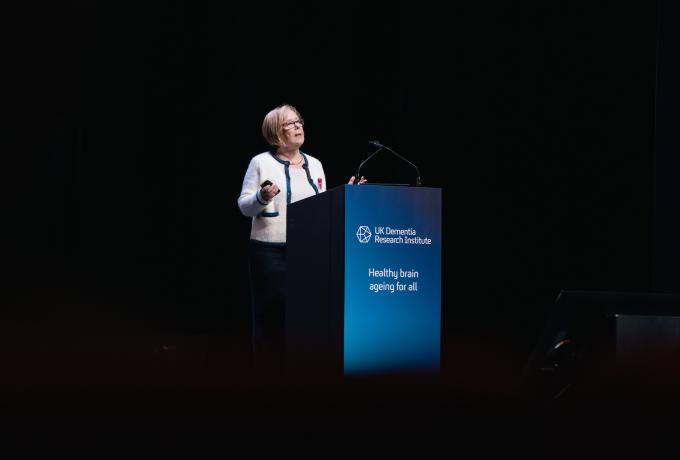
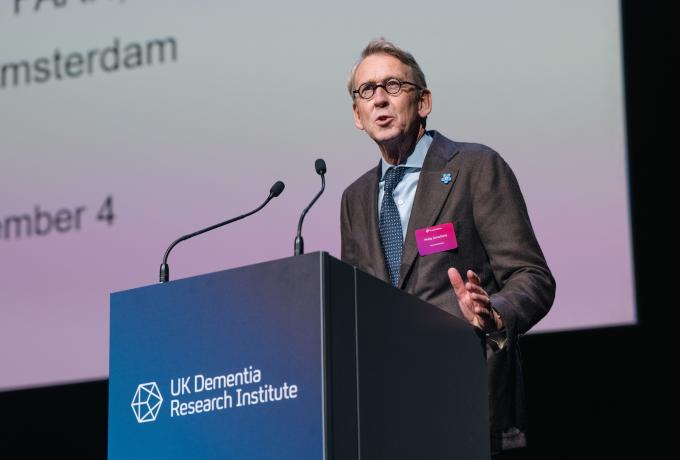
Alongside these moments, we were privileged to hear excellent keynote presentations from Professors Sheena Radford, Perdita Barran and Philip Scheltens. Collectively, these talks demonstrated both the scientific complexity of neurodegeneration and how far the field has progressed.
Hope was a recurring theme throughout Connectome, but importantly, it was a hope grounded in the remarkable progress made across neuroscience over the past decade.
Professor Scheltens' presentation illustrated this particularly well. The Alzheimer's landscape has changed fundamentally, with advances in biomarkers, therapeutics and clinical trial design beginning to reshape how we diagnose and treat disease. These approaches remain imperfect, and there are important questions around efficacy, safety, cost and access, but the direction of travel is clear. We are beginning to move from understanding pathology towards intervening in the disease process itself.
Beyond Alzheimer’s: a widening toolkit
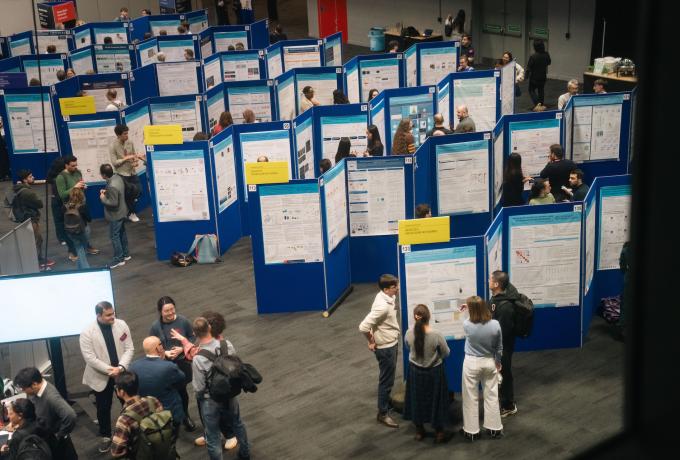
Beyond Alzheimer's disease, the conference showcased the breadth of approaches now being pursued across brain health. From gene therapies and small molecules to vaccines, new biomarker platforms, academic spinouts, biotechnology partnerships and clinical trials, the range of research and innovation was impressive. The poster sessions added to this picture, highlighting emerging work across molecular mechanisms, digital biomarkers, care technologies and the development of new approaches to diagnosis and treatment.
Integration is the next frontier
What stood out to me was not simply the diversity of the science, but the opportunity to connect these approaches. No single technology, therapeutic modality or scientific discipline is likely to provide all the answers. Progress will increasingly depend on our ability to integrate biological insight with clinical research, data, technology and the experiences of those living with disease.
That is what makes the UK DRI model so important. Our community of more than 1,000 researchers, clinicians and technical specialists spans the full spectrum of neurodegenerative research. Through our five research divisions, our national network of centres, our affiliates, partners and Lived Experience Council, we have the opportunity to approach these diseases as interconnected biological, clinical and societal challenges.
The decade ahead
As Connectome 2026 came to a close, I was left with a renewed sense of both optimism and responsibility. We have made enormous progress in the institute’s first decade, but the scientific discoveries of today are only valuable if they eventually lead to tangible benefits for people living with neurodegenerative conditions.
As we approach our tenth anniversary, we should do so with renewed clarity and ambition. Our mission remains to discover the causes of neurodegeneration, develop new diagnostics and therapies, and deliver solutions that enable people to live healthier lives for longer. The challenge for the next decade is to move faster, work more collaboratively and ensure that our scientific discoveries are translated into meaningful outcomes for people.
We have spent nearly ten years building a world-leading research community. Now is the time to put our foot on the accelerator and make the next ten years truly transformative.
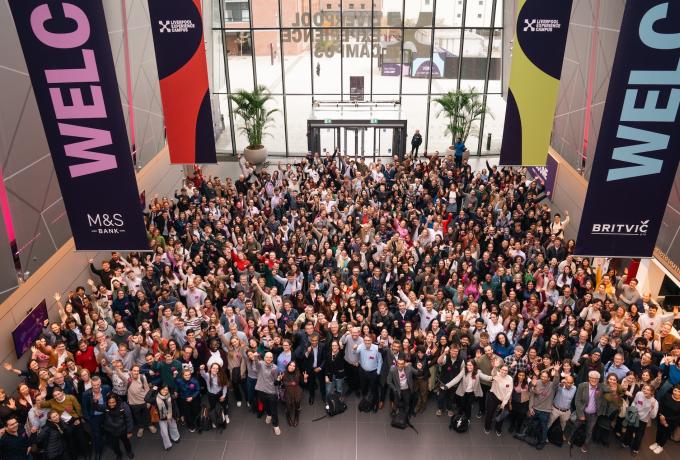
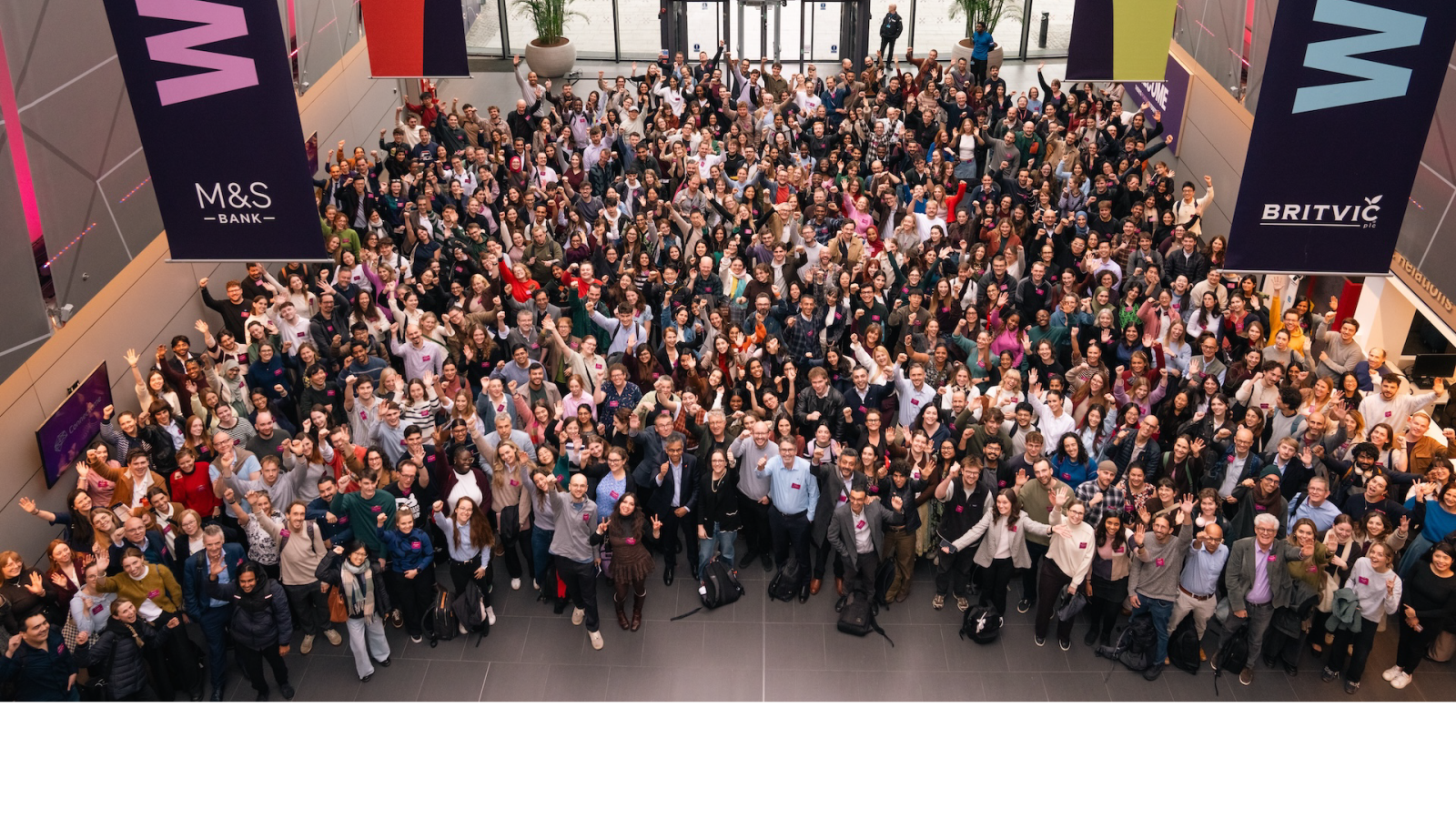
Colleagues from across the UK DRI at Connectome 2026