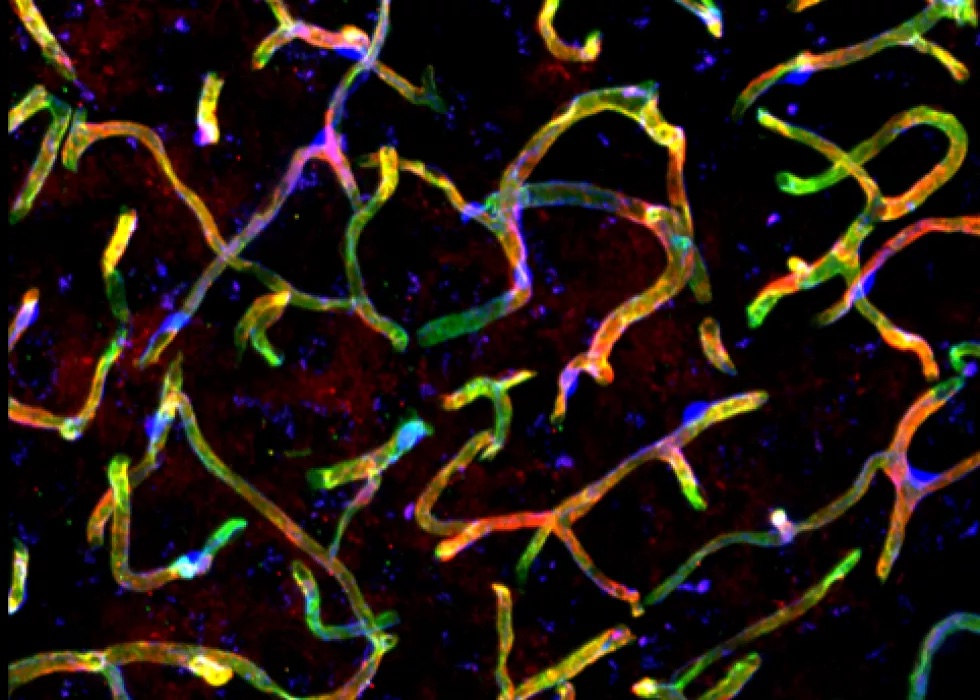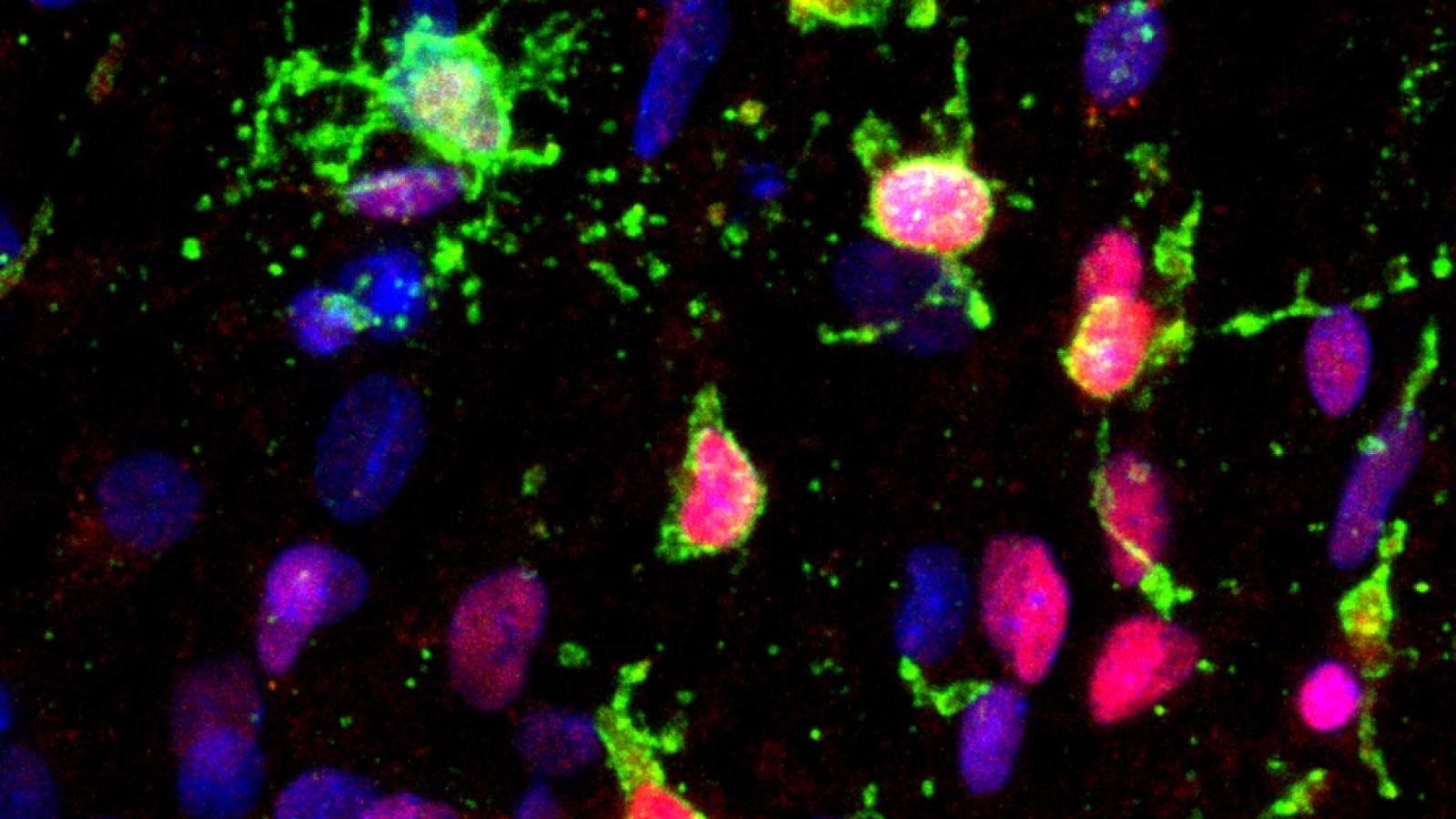
The UK DRI has been awarded funding from the British Heart Foundation (BHF) for a joint 4-year PhD programme to support up to 10 students across two intakes. These studentships will foster the next generation of internationally leading researchers, training them in cutting edge techniques that will revolutionise our understanding of vascular dementia and neurodegeneration.
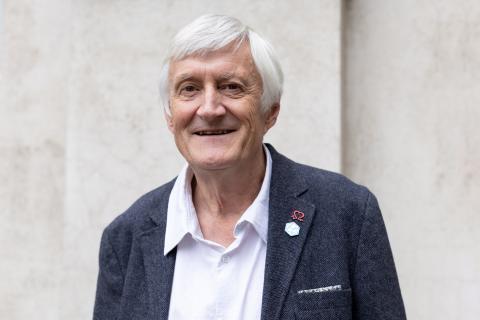
Led by Prof David Attwell at UCL, Director of the BHF-UK DRI Centre for Vascular Dementia (CVDR), the doctoral training programme brings together supervisors with complementary, multidisciplinary expertise in UK DRI and BHF Centres at the Universities of Edinburgh (co-director for the PhD Programme Dr Axel Montagne), Leicester (co-director Dr Jatinder Minhas) and Oxford (co-director Dr Sana Suri).
Vascular dementia is one of the most common types of dementia, affecting around 180,000 people in the UK. Dysfunction in the cardiovascular system plays a key role in the onset and progression of the condition, but the underlying molecular and cellular mechanisms are under-researched and poorly understood.
This programme represents a major investment in the future of vascular dementia research, equipping a new generation of researchers across disciplines to work on one of the most pressing issues in brain health.
The new PhD students will investigate vascular mechanisms underlying dementia and neurodegeneration to understand the dysfunction occurring and to devise methods to prevent or reverse it. Among other questions, the projects aim to answer why cerebral blood flow decreases and how the blood-brain barrier becomes dysfunctional in different types of dementia. Through employing high tech automated systems, the students will also aim to discover candidate drugs targeting vascular dysfunction and eventually evaluate their impact in clinical trials.
Professor Bryan Williams, Chief Scientific and Medical Officer at the British Heart Foundation, said:
"Our refreshed PhD programme exemplifies the bold, collaborative and forwardthinking approach at the heart of the BHF’s new strategy. It will bring together exceptional researchers in the foothills of their scientific careers with world leading experts across disciplines, sectors and institutions, creating an environment where fresh ideas can thrive.
"We're pleased to be funding this PhD programme led by the UK Dementia Research Institute, building on our existing partnership. Through this investment, UK DRI will equip the next generation of researchers with the skills and experience to make discoveries that can tackle the biggest questions in dementia research."
Vascular Contributions to Dementia and Neurodegeneration
Find out more about this 4-year PhD Programme funded by the BHF and UK DRI.