The big questions
How do vascular, immune and glial cells interact with neurons to maintain brain health, and how does dysfunction in these networks drive neurodegeneration?
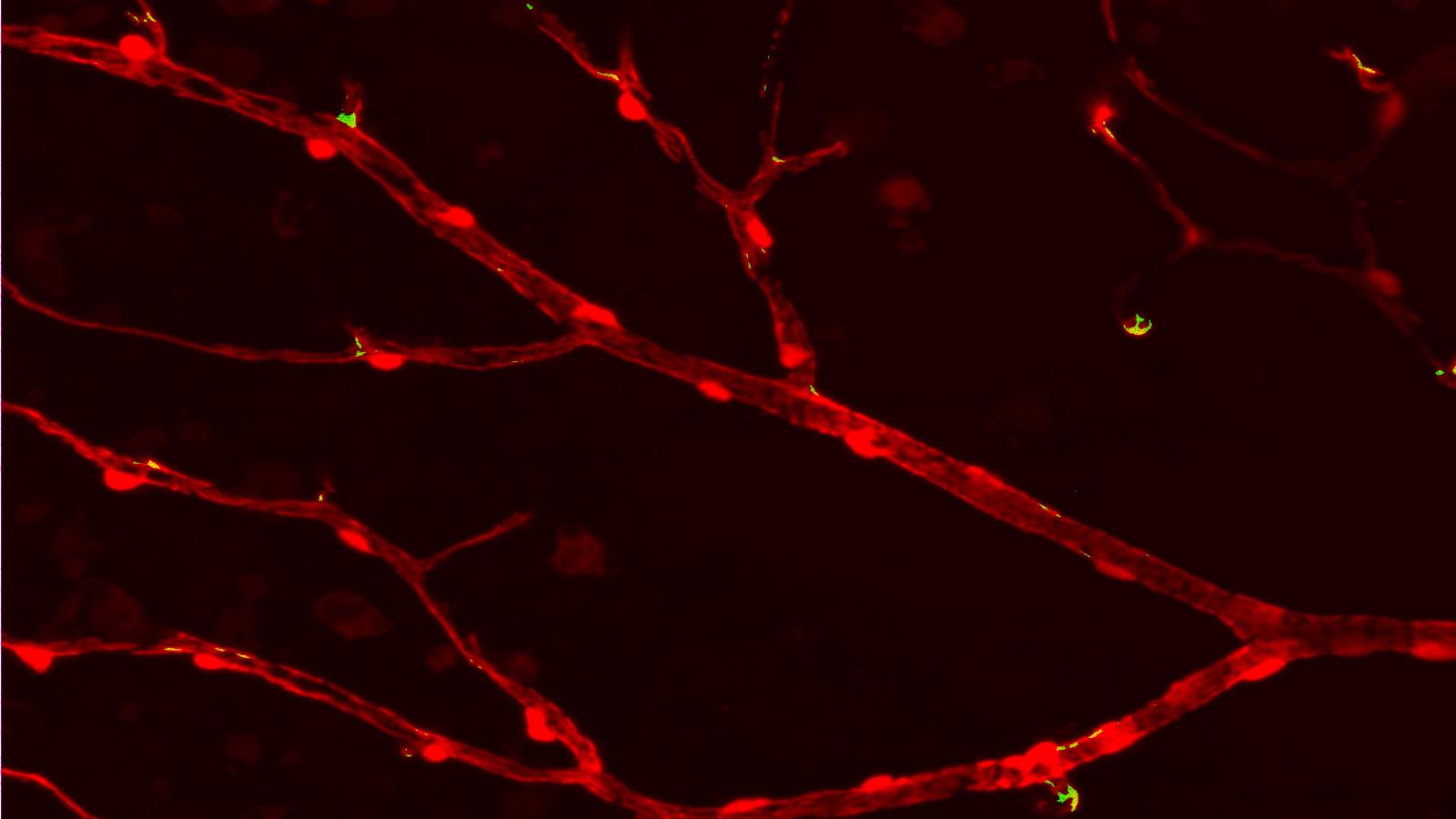
The Division will map the dynamic interactions between vascular, immune and glial cells at molecular and cellular resolution, uncovering how vascular dysfunction, immune activation and glial reactivity converge to impair neuronal signalling. This will reframe our understanding of dementia as a disorder of interdependent cellular networks, rather than isolated neuronal failure.
Which molecular mechanisms control the clearance of toxic proteins and metabolites from the brain, and how can these be enhanced to slow disease progression?
The accumulation of toxic proteins is a hallmark of neurodegeneration. We will assess the vascular and glial pathways responsible for clearing these molecules, including phagocytosis, perivascular exit routes and fluid flow through astrocyte endfeet, with the aim of identifying ways to enhance removal of toxic species from vulnerable neural circuits.
How do we translate mechanistic discoveries about vascular and glial biology into effective therapeutic strategies for dementia?
A core objective of the Division is to move from mechanism to intervention. We will translate insights into therapeutic strategies, repurposing existing drugs and developing new molecular candidates, advancing the most promising findings into preclinical and early-phase clinical testing through close collaboration between basic researchers, medicinal chemists and drug developers.